
Rodenstock Apo Sironar S Edition Lenses
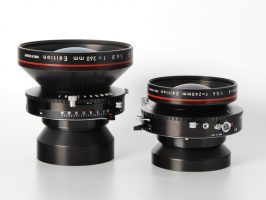
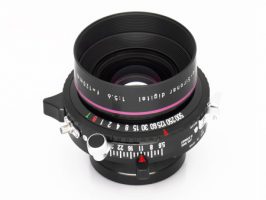
Both lens series Apo-Sironar digital and Apo-Macro-Sironar digital (the latter is optimized for large scales) provide large image circles and leave enough space for camera movement. Continue reading
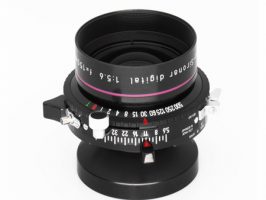
Both lens series Apo-Sironar digital and Apo-Macro-Sironar digital (the latter is optimized for large scales) provide large image circles and leave enough space for camera movement. Continue reading
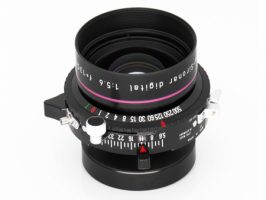
Both lens series Apo-Sironar digital and Apo-Macro-Sironar digital (the latter is optimized for large scales) provide large image circles and leave enough space for camera movement. Continue reading
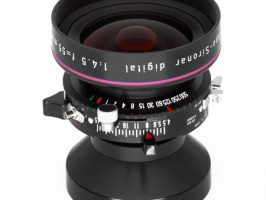
Both lens series Apo-Sironar digital and Apo-Macro-Sironar digital (the latter is optimized for large scales) provide large image circles and leave enough space for camera movement. Continue reading
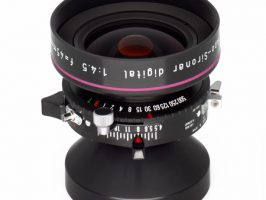
Both lens series Apo-Sironar digital and Apo-Macro-Sironar digital (the latter is optimized for large scales) provide large image circles and leave enough space for camera movement. Continue reading
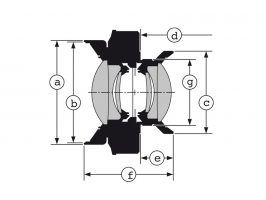
Both lens series Apo-Sironar digital and Apo-Macro-Sironar digital (the latter is optimized for large scales) provide large image circles and leave enough space for camera movement.
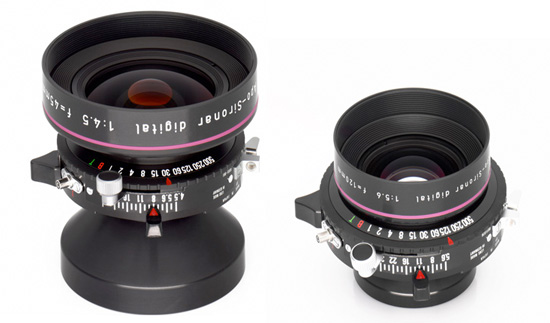 The Apo-Macro-Sironar digital has excellent imaging performance even up to a 2x enlargement. This makes it an ideal solution for jewel photography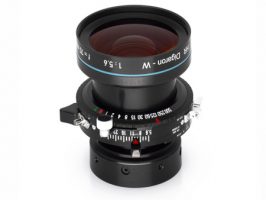
The lens series HR Digaron-W with an image circle from 90 mm to 125 mm is the first choice for large sensors from 37x49mm up to 36x56mm or 40x54mm and for technical cameras, if parallel lens shift and lens swing and tilt require large camera movement. Continue reading
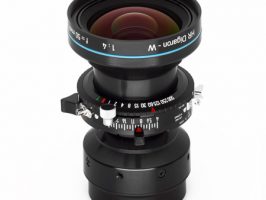
The lens series HR Digaron-W with an image circle from 90 mm to 125 mm is the first choice for large sensors from 37x49mm up to 36x56mm or 40x54mm and for technical cameras, if parallel lens shift and lens swing and tilt require large camera movement. Continue reading
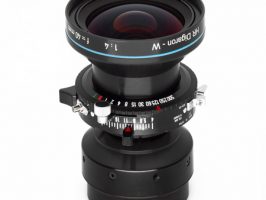
The lens series HR Digaron-W with an image circle from 90 mm to 125 mm is the first choice for large sensors from 37x49mm up to 36x56mm or 40x54mm and for technical cameras, if parallel lens shift and lens swing and tilt require large camera movement. Continue reading